
Attic Ventilation in Southern Massachusetts
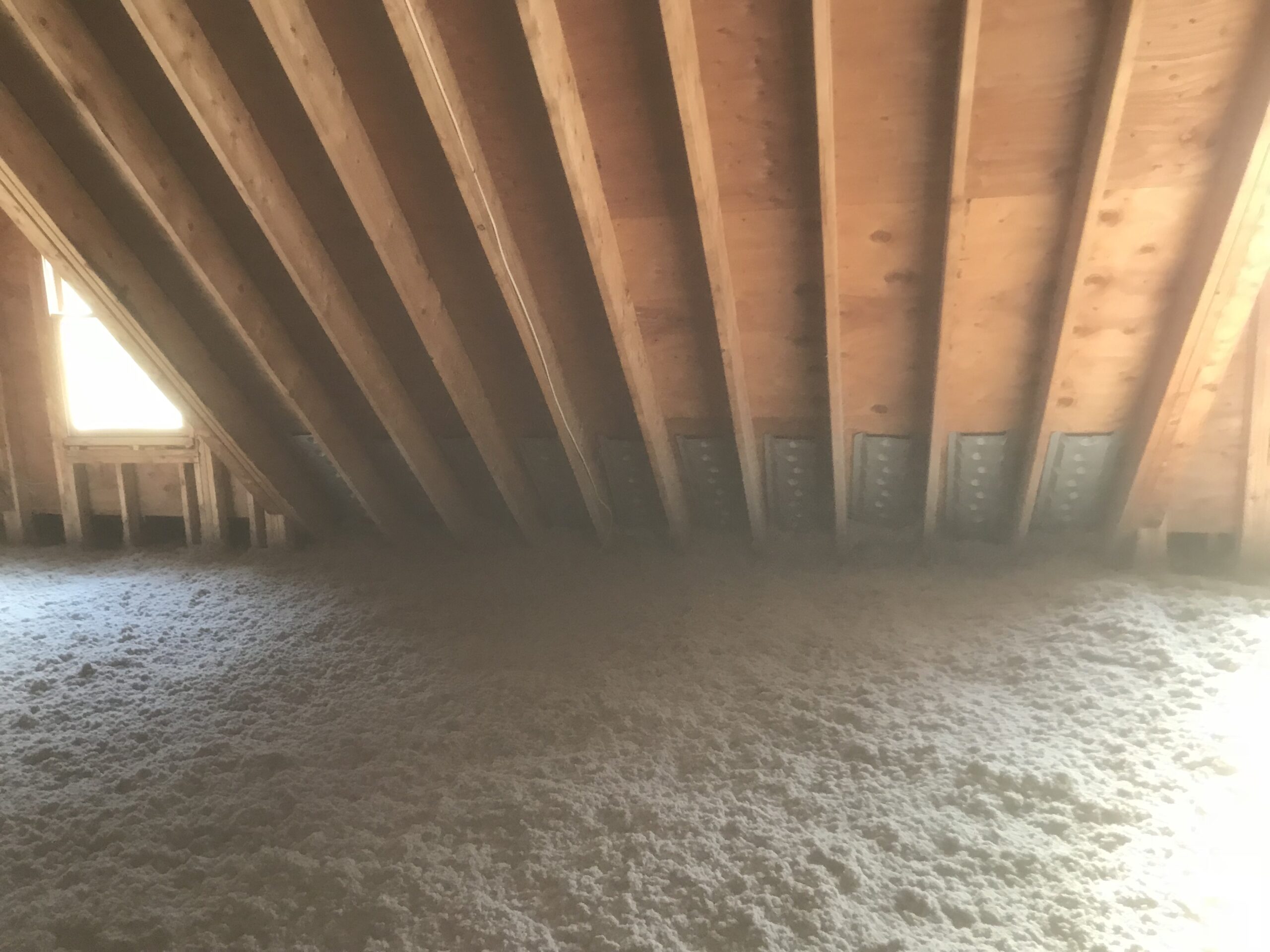

Attic ventilation, also called rafter vents, are like helpers for your house's roof. They help keep your attic cool and dry by letting air move around. This stops mold from growing in your attic, which means less work for you! So, if you want a cool and dry attic without mold, make sure your house gets enough fresh air.
Attic Ventilation Essentials
1. Attic Baffles: Key Components for Optimal Attic Ventilation and Moisture Management
2. Benefits of Installing Attic Ventilation: Energy Savings, Improved Air Quality, and Mold Prevention
3. Diverse Materials for Attic Ventilation Construction: Cardboard, Foam, Plastic, and PVC
4. Achieving Proper Attic Ventilation: Determining the Right Number of Baffles Based on Roof Size and Soffit Configuration
5. Optimal Placement for Enhanced Airflow: Ensuring Unrestricted Ventilation Near Soffit Vents and Internal Wall Partitions
6. DIY Installation Guide: Measuring Rafter Spaces, Placing Baffles, Securing with Staples, and Sealing Gaps with Spray Foam
What is Attic Ventilation?

In essence, attic ventilation acts as channels, facilitating the flow of air from exterior soffit vents up into your attic space.
Attic ventilation is crafted from various materials such as cardboard, foam, plastic, and PVC. Positioned at the top of your attic's ceiling, directly beneath the roof, they serve as conduits guiding airflow into your home.
Working in tandem with soffits and rafter air channels, these baffles play a vital role in maintaining continuous airflow throughout the uppermost parts of your home. By channeling airflow from attic soffit vents, they ensure proper circulation and ventilation in the attic space.
In addition to enhancing airflow, attic ventilation offers valuable protection against condensation, water damage, and mold growth. Investing in the right insulation for your attic yields numerous benefits:
- Lower energy bills
- Enhanced insulation effectiveness
- Improved indoor air quality
Moreover, attic ventilation serves as a barrier, preventing insulation from coming into contact with the roof deck. This crucial function helps prevent condensation buildup just beneath the roof, mitigating the risk of damage. Given the substantial cost associated with attic insulation, ensuring its longevity and effectiveness is paramount.
When is Attic Ventilation Needed?
Ensure a well-ventilated and insulated roof with attic ventilation services! While not all homes come equipped with attic soffit vents and baffles, these additions are crucial for safeguarding your home against mold, condensation, and costly repairs.
If your home has intake or attic soffit vents, attic ventilation is a must-have. And if you have soffits but lack rafter channels, it's time to tackle this essential home improvement project!
Attic ventilation plays a vital role in preventing soffit clogs caused by insulation buildup. Even if your home boasts excellent insulation, improper airflow can lead to significant issues. Rafter air channels ensure unobstructed airflow beneath the roof, promoting ventilation and preventing stagnation.
Take a moment to assess your home's insulation and ventilation. If you notice condensation buildup or mold, it's time to consider installing attic ventilation.
ATTIC SOFFIT VENTS & BAFFLES
Soffit vents play a crucial role in maintaining proper air circulation, keeping your home cool and protected against condensation and mold.
Each soffit vent acts as an air intake, drawing in cool air from outside to replace warmer attic air. However, without proper airflow channels, this air can stagnate, leading to increased temperatures inside the attic.
Attic ventilation plays a vital role in channeling outside air, ensuring continuous circulation and maintaining a cooler home. While rafter air channels aren't necessary between every rafter, they are essential for each air intake point. As a general guideline, aim for one soffit intake and rafter air channel for every 150 square feet under the roof.
How to Install Attic Ventilation?
If you're looking to improve airflow in your home, the easiest way is to call us. If you prefer to DIY, we've got you covered with a detailed guide on installing attic ventilation beneath your roof.
Start by measuring the space between rafters to determine the appropriate size for the rafter vents. Typically, rafter air channels require at least 16 inches of space between rafters for installation.
Next, insert metal, plastic, foam, or cardboard attic baffles between the rafters. Ensure they are positioned away from the ceiling to allow airflow.
Secure the attic ventilation in place by stapling it to the rafters.
Continue this process upward along the roofline, maintaining consistent spacing between rafters. Overlapping the attic ventilation prevents air from escaping between each piece.
To prevent air leaks, apply spray foam at each baffle junction.
Repeat these steps until each air intake point is covered or every space between rafters is filled. This ensures optimal airflow throughout the attic space.
Where Should Attic Ventilation Be Installed?
Baffles play a critical role in maintaining unrestricted airflow between rafters, optimizing attic ventilation.
For maximum effectiveness, attic ventilation should be installed at the outer edge of the attic, near soffit vents. This positioning promotes proper airflow and prevents heat buildup in the attic.
Additionally, it's essential to install attic ventilation along internal wall partitions to facilitate free airflow throughout the entire attic space. Properly installed attic ventilation significantly enhances the efficiency of the attic insulation system, ensuring optimal performance.
Contact Able Home Performance for Attic Ventilation Services in Southern MA!
Your attic may not be the most frequented part of your home, but it plays a crucial role in protecting your living space. A properly insulated and ventilated attic shields your home from the elements, preventing water damage and maintaining a comfortable indoor environment.
Attic ventilation offers the perfect solution to ensure adequate insulation while promoting airflow. If your home is feeling uncomfortably warm or showing signs of moisture buildup, it's time to consider installing attic baffles.
Understanding and correctly installing attic ventilation is essential for maintaining your home's comfort, energy efficiency, and structural integrity. Choosing the right ventilation tailored to your needs and following proper installation procedures will not only save you money on energy bills but also prolong the lifespan of your home's roof and other components.
Take the time to research and select the best attic ventilation for your specific requirements. With properly installed ventilation , you'll reap the benefits of a well-ventilated attic, including enhanced air quality, reduced energy expenses, and a more enjoyable living environment. Start by getting your Mass Save no-cost home energy assessment by calling 781-226-2796 or by filling out our contact form.
Ready to find out more?
CLICK THE BUTTON AND LET'S GET STARTED