
AIR SEALING YOUR ATTIC
Air sealing is a crucial aspect of maintaining a comfortable and energy-efficient home environment, regardless of the season. Not only does it help in retaining cool or warm air inside your home, but it also serves as a barrier against pests and water infiltration.
"Seal in comfort, seal out the elements. Weatherizing your home is the key to creating a cozy sanctuary year-round."
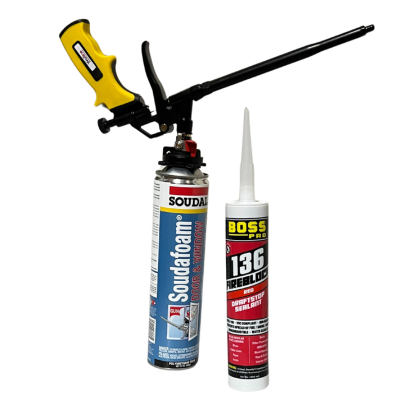
Air Sealing
Properly air sealing an attic is paramount for maintaining energy efficiency, temperature regulation, and overall structural integrity of a home. An attic that is inadequately sealed can allow for significant air leakage, leading to increased energy bills as conditioned air escapes and unconditioned air infiltrates the living space. Moreover, air leaks in the attic can result in temperature fluctuations throughout the home, making it uncomfortable for occupants and causing HVAC systems to work harder to maintain desired temperatures. By effectively air sealing the attic, using techniques such as sealing around chimneys, bath fans, top and end plates, homeowners can create a tight thermal envelope that prevents air leakage and enhances the efficiency of their insulation.
Chimneys and bath fans create openings in the attic floor or ceiling that can serve as pathways for fire and smoke to spread between floors in the event of a fire. Fire-rated caulking forms a protective barrier around these openings, preventing the passage of flames and smoke and containing the fire to its point of origin. In addition to enhancing fire safety, properly sealing around chimneys and bath fans with fire-rated caulking helps to maintain the integrity of the attic's thermal envelope, ensuring that conditioned air remains inside the living space and reducing the risk of energy loss and drafts.
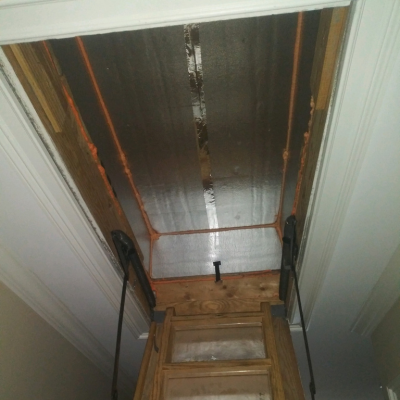
Attic Stair Cover
Installing an attic stair cover with weather stripping is a crucial step in improving energy efficiency and maintaining indoor comfort within a home. Attic stair openings are notorious for allowing heated or cooled air to escape into the attic, leading to energy loss and increased utility bills. By sealing this area with a properly fitted cover equipped with weather stripping, homeowners can create an effective barrier against air leakage, drafts, and temperature fluctuations. The weather stripping ensures a tight seal around the attic stair opening, preventing conditioned air from escaping and outdoor air from infiltrating the living space. This helps to maintain consistent indoor temperatures, reduce the workload on heating and cooling systems, and enhance overall energy efficiency.
Moreover, installing an attic stair cover with weather stripping offers additional benefits beyond energy savings. It helps to improve indoor air quality by preventing outdoor pollutants, dust, and allergens from entering the home through the attic stair opening. Additionally, the weather stripping acts as a barrier against moisture intrusion, protecting the home from potential water damage, mold growth, and structural issues. By effectively sealing off the attic stairway, homeowners can create a more comfortable, healthier, and energy-efficient living environment for themselves and their families while prolonging the lifespan of their home's components.
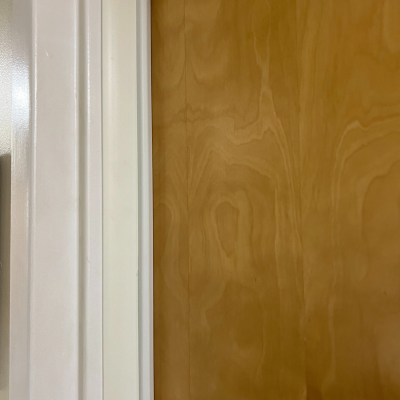
Weatherstripping
Weatherstripping exterior doors and windows is crucial for maintaining energy efficiency and comfort within a home. These areas are common points of air leakage, allowing conditioned air to escape during hot summers and cold winters while permitting unwanted outdoor air to infiltrate indoor spaces. By installing weatherstripping along the edges of doors and windows, homeowners can create a tight seal that prevents air leakage, minimizes drafts, and enhances the overall insulation of their home. This not only improves indoor comfort by maintaining consistent temperatures throughout the year but also reduces the workload on heating and cooling systems, leading to lower energy bills and increased energy savings over time.
In addition to improving energy efficiency, weatherstripping exterior doors and windows plays a crucial role in enhancing indoor air quality and preventing moisture infiltration. Air leaks around doors and windows can allow pollutants, dust, pollen, and outdoor allergens to enter the home, compromising indoor air quality and potentially causing respiratory issues for occupants. Moreover, during rainy or snowy weather, water can seep through gaps around doors and windows, leading to moisture damage, mold growth, and structural issues over time. By effectively sealing these openings with weatherstripping, homeowners can safeguard their indoor environment against outdoor pollutants and moisture intrusion, creating a healthier and more comfortable living space for themselves and their families.

Why bother with air sealing? You might think that having proper insulation and ventilation in place is sufficient. However, consider this analogy: your house is like a boat with multiple small holes. Even though you have insulation and ventilation, these small gaps can lead to significant energy loss, akin to water seeping into a boat and causing it to sink.
Despite having insulation and ventilation, your home can still experience air leakage, resulting in wasted energy and higher utility bills. Studies indicate that air leaks can contribute to as much as one-third of total energy loss in a home annually. By effectively air sealing your home, you can save a substantial amount of money, especially when combined with other insulation measures. Whether it's sealing gaps in your attic, windows, electrical outlets, fireplaces, or flooring, proper air sealing is key to significantly reducing energy costs and improving energy efficiency.
In addition to reducing energy costs, proper air sealing offers numerous other benefits. By sealing off air leaks, you not only enhance the comfort of your home but also improve indoor air quality by preventing pollutants, dust, and allergens from entering. Moreover, air sealing helps maintain consistent temperatures throughout your home, eliminating cold drafts in the winter and hot spots in the summer. This not only enhances comfort but also extends the lifespan of your HVAC system by reducing its workload. Furthermore, by minimizing air infiltration, you can create a more sustainable and environmentally friendly living space, as it reduces your carbon footprint and overall energy consumption. Overall, investing in air sealing is a cost-effective way to enhance energy efficiency, improve comfort, and promote a healthier indoor environment for you and your family.

Ready to find out more?
Drop us a line today for a free quote!
HOW TO AIR SEAL

Air sealing your attic is a crucial step in improving energy efficiency and indoor comfort in your home. Here's a step-by-step guide to help you effectively air seal your attic:
1. Prepare the Attic: Before starting the air sealing process, it's essential to prepare the attic space. Remove any stored items or debris to provide clear access to the areas that need sealing. Additionally, if there is old insulation in the attic, carefully move it out of the way to access the top and end plates, as well as other potential air leak areas.
2. Identify Air Leak Areas: Inspect the attic thoroughly to identify areas where air leakage may occur. Common air leak locations include top and end plates, gaps around plumbing and electrical penetrations, recessed lights, bath fans, and chimneys. Use a flashlight to help locate any visible gaps or cracks in these areas.
3. Seal Top and End Plates: Top and end plates, also known as top plates and rim joists, are common areas where air can leak into the attic from the living space below. Use a caulking gun to apply a bead of fire-rated caulking along the top and bottom edges of these plates to create an airtight seal. This prevents conditioned air from escaping into the attic and unconditioned air from entering the living space.
4. Use Fire Caulking Around Heat Sources: Heat-producing appliances and fixtures, such as recessed lights, bath fans, and chimneys, can create openings in the attic that allow air to leak. Use fire caulking specifically designed for high-temperature applications to seal around these heat sources. Apply the caulking carefully to ensure a complete seal around the perimeter of each fixture or penetration.
5. Inspect and Test: Once you've completed the air sealing process, thoroughly inspect the attic to ensure all potential air leak areas have been addressed. Use a smoke pencil or infrared camera to identify any remaining leaks and seal them as needed. Finally, conduct a blower door test or use a thermal imaging camera to verify the effectiveness of your air sealing efforts and identify any areas that may require further attention.
By following these steps, you can effectively air seal your attic to improve energy efficiency, indoor comfort, and overall home performance. Investing time and effort into proper air sealing can lead to significant energy savings and a more comfortable living environment for you and your family.