Which Insulation is Best For You?
Are you facing the daunting task of selecting attic insulation for your home? With so many options available, it's easy to feel overwhelmed. But fear not! Our guide breaks down the various types of attic insulation to help you make an informed decision that suits your home's needs.
"Seal in comfort, seal out the elements. Weatherizing your home is the key to creating a cozy sanctuary year-round."
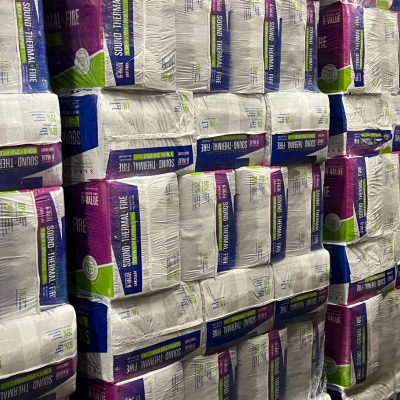
Celulose
Cellulose insulation, made from recycled paper products, offers a sustainable solution for homeowners seeking to enhance their living environment. Despite initial concerns about fire hazards, opting for cellulose insulation treated with borate or ammonium sulfate ensures fire resistance, making it a safer choice for your home.
With its denser composition compared to fiberglass, cellulose insulation excels in heat retention during winter and cool air preservation in summer. Its eco-friendly nature, derived from recycled materials, resonates with environmentally conscious homeowners.
Pros:
- Environmentally friendly option
- Higher density for superior insulation
- Fire and insect resistant
Cons:
- Dust generation during installation process
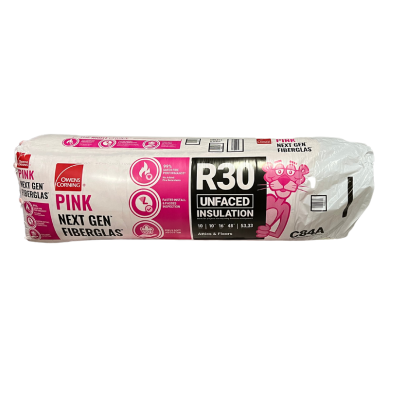
Fiberglass
Fiberglass batt attic insulation is widely regarded as one of the top choices for insulating attics. Composed of plastic reinforced by fine glass fibers, fiberglass batts typically come in blanket form, with pre-cut sections for easy installation.
However, it's essential to handle this material with care due to its potential to irritate the lungs and skin. Proper protective gear like pants, a long-sleeve shirt, a face mask, gloves, and eyewear should always be worn during installation.
The glass fibers used in fiberglass insulation are often derived from sand and recycled glass, making it an environmentally beneficial option if sourced responsibly.
Pros:
- Cost-effective compared to alternative materials
- DIY-friendly for easy installation
- Ideal for unobstructed areas
Cons:
- Less effective at retaining heat compared to some alternatives
- Potential for skin irritation during handling and installation
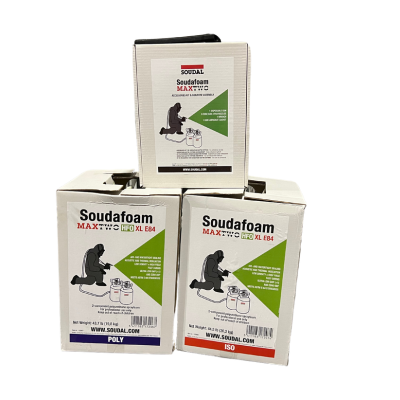
Spray Foam
Spray foam attic insulation typically utilizes one of three types of plastic: polyurethane, polyisocyanurate, or polystyrene. It can be applied either by spraying it or installing it as stiff foam boards. Some professionals may opt for a cement-based foam called cementitious foam insulation.
This type of attic insulation is renowned for its exceptional performance, as it effectively fills all the nooks and crannies in your attic's flooring and walls.
Pros:
- Offers top-notch performance in terms of insulation
- Provides flexibility in installation methods to suit preferences
- Quick installation process
Cons:
- One of the more expensive options among attic insulation materials
BENEFITS OF ATTIC INSULATION

Unsure about insulating your attic? Discover the multitude of benefits that come with this investment. Here's why upgrading to the best attic insulation is a wise choice:
1. Lower Energy Bills: Attic insulation acts as a barrier, preventing heat from seeping into your home during summer and escaping during winter. By reducing the need for constant heating or cooling, you'll notice a significant drop in your energy bills.
2. Improved Air Quality: Say goodbye to pollutants infiltrating your living space. Effective attic insulation keeps mold, smoke, radon, and dirt at bay, safeguarding your family's health from respiratory issues and discomfort.
3. Stable Room Temperatures: Bid farewell to temperature imbalances throughout your home. Inadequate attic insulation can lead to fluctuating temperatures, making certain areas uncomfortably warm or chilly. Ensure consistent comfort in every room with proper insulation.
4. Enhanced Attic Utility: Transform your attic into a functional space. With proper insulation, you can utilize this valuable area for more than just storage. Whether it's an extra bedroom or a playful playroom, insulation restores the potential of your attic.
5. Increased Home Value: Elevate your property's appeal and value. New attic insulation not only enhances comfort but also serves as a compelling selling point for prospective buyers. Protect your roof, maintain optimal temperatures, and reduce energy costs to attract discerning homeowners.
Invest in attic insulation today and enjoy the benefits of a more comfortable, efficient, and valuable home.

HOW TO CHOOSE ATTIC INSULATION

Now that you're acquainted with the diverse array of attic insulation options, you might be pondering how to select the most suitable one for your home.
Making the right choice involves considering various factors:
1. Space Size: Determine the square footage of your attic to estimate the quantity of insulation needed. Accurate measurements are crucial to budgeting effectively.
2. Material Preference: Decide on the type of insulation material that aligns with your requirements. Loose-fill materials offer versatility in density and depth, but they necessitate specialized equipment for installation. Alternatively, batts or rolls are pre-cut sections suitable for unobstructed spaces with ample headroom.
3. R-Value: Assess the insulation material's R-value, which indicates its thermal resistance. Higher R-values signify superior insulation performance, contributing to energy efficiency and comfort.
Have questions? Explore some common queries about attic insulation:
1. Cost: Attic insulation expenses vary based on location, chosen materials, and attic size. While the average cost ranges from $1 to $7 per square foot, DIY installation can yield significant savings. However, ensure proficiency to avoid future remedial work.
2. Energy Efficiency: Spray foam insulation typically boasts high R-values, making it an energy-efficient choice for sealing gaps and crevices effectively.
3. Blown vs. Batt: The suitability of blown or rolled insulation depends on personal preferences and attic characteristics. Blown insulation is ideal for irregular spaces, whereas Batt insulation offers simplicity in installation.
4. Health Considerations: Opt for insulation materials devoid of additives for a healthier living environment. Natural options like cellulose, derived from recycled materials, pose minimal risk of respiratory irritation.
By carefully assessing these factors and consulting expert advice, you can make an informed decision to enhance your home's comfort, energy efficiency, and overall value.